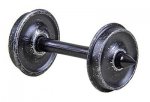
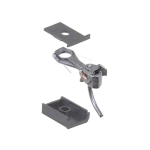
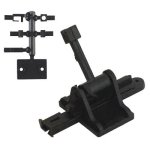
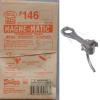
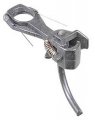
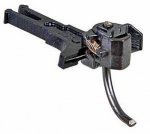
金属台車 # 551 Arch Bar Self-Centering Trucks with 33" Ribbed Back Wheels
- 購入数
-


在庫数: 2 残りわずか!
- トップ
- ケーディー Kadee
- HO 台車、車輪
- トップ
- 当店在庫あり
- ケーディー Kadee
- #206-#634
この商品について
車輪付きの金属台車です。貨車のディティールアップ等にご使用いただけます。
メーカ:ケーディー
スケール:HO 1/87
The Arch Bar Truck is typical of these trucks from around the turn of the century. Despite the age of these trucks, they saw more than seventy years of service in some applications. The arch bar was allowed in interchange service until about 1941. On railroads that were not common carriers such as logging or other industrial lines, this restriction of the trucks did not apply since the trucks did not operate on rails other than the owner's. The Northern Pacific, for example, used truss rod frame maintenance of way cars fitted with arch bar trucks well into the early 1970's. Many logging railroads also used them at least until then.
Features
- Code .110 33" ribbed back wheels
- Accurate markings
- Incredible detail, true to prototype
- Non-magnetic metal wheels
- Highly flexible sprung trucks
- Metal sideframes and fully sprung bolster
- Smooth-tracking, free-rolling, contoured insulated axles
- RP-25 free-rolling wheels
- この商品をシェア
-
お客様レビュー
全てのレビュー(0件)を見る »
商品レビューを書く

 0
0


 0
0